Young people are faced with challenges related to substance use, risky behaviors, and overall mental health and wellbeing. Regardless of the issue area, FNL programs use youth-led, evidence-informed, and asset-based strategies to raise awareness and address the harm.
Utilizing local data, counter the narrative that “everyone is doing it” and encourage healthy alternatives.
Building partnerships with community members to educate them and reduce youth access to illegal items.
Developing the capacity of youth partners to engage in spaces that don’t traditionally seek the input of young people.
Putting the research in the hands of youth partners supports more meaningful peer-to-peer communication and sustainable education efforts.
Promoting public health and up-stream approaches to support primary prevention activities.
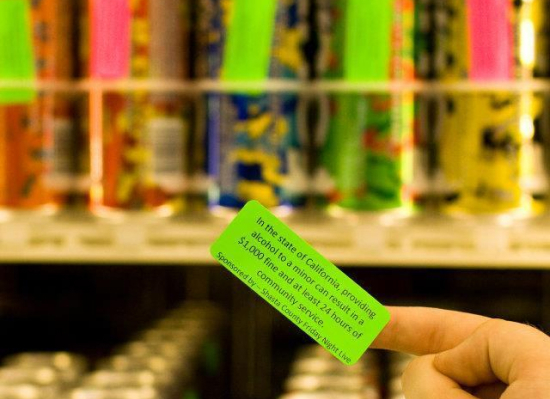
Underage drinking plays a monumental role in risky behaviors that can significantly impact the lives of young people and those around them. With so much at risk, it is hard to comprehend why youth continue to report easy access to alcohol, experience community norms that condone underage and binge drinking, and are consistently bombarded with media messages that promote alcohol consumption.

The evolution of tobacco and nicotine products has continually posed public health challenges, with specific concern of marketing to and targeting of youth. While rates of underage use of combustible tobacco products, such as cigarettes, have steadily declined, new products, like electronic cigarettes, vape pens, and nicotine pouches, continue to rise.
Since the legalization of cannabis in California, marketing and product access have exponentially increased. Research is clear that cannabis use affect’s young people’s health and mental state differently than adult users. As local jurisdictions make policy decisions on the presence of dispensaries and other cannabis-related venues, it’s important that stakeholders are educated on the impacts of underage access and use.
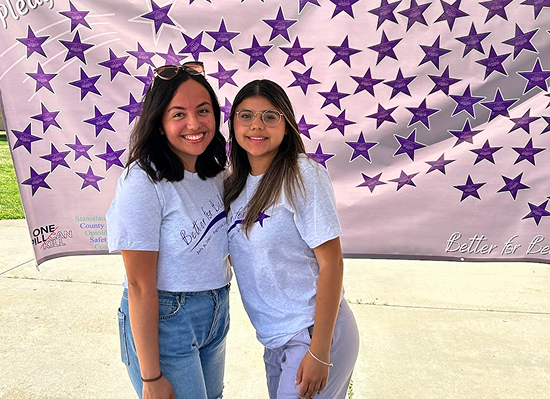
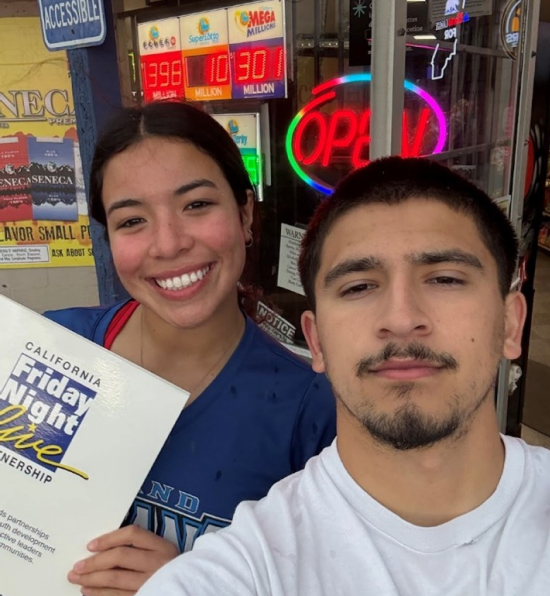
Youth focus groups and surveys supported by FNL projects show that gambling and betting are common behaviors, and they take on many forms and occur in many places. Young people report that their behavior is influenced by a variety of factors, including boredom, peer pressure, media exposure, and the thrill of winning something. Most participants seemed to feel that youth are not capable of gambling responsibly and are more likely to develop problems as a result.
An annual assessment of gambling behaviors is facilitated by students in the BETTING ON OUR FUTURE project to assess the norms, attitudes, and behaviors of underage gambling among youth in California. View the Youth Gambling Survey results.
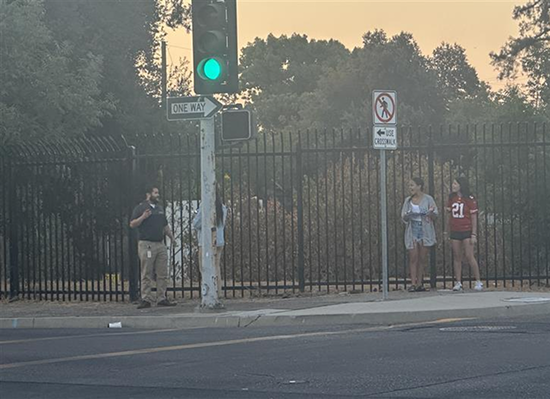
In addition to reducing youth impairment on the road, FNL programs address broader traffic safety concerns, including distracted driving habits. Each fall, FNL chapters conduct ROADWATCH, a statewide, youth-led data collection event to assess driving behaviors near schools and other youth-centric locations. ROADWATCH engages young people in a data collection process and illustrates the value of doing assessments to address an issue. The process builds the capacity of youth partners to understand and demonstrate the power of local data in promoting change in their community, and contributes to a snapshot of distracted driving behaviors across the state.
outh focus groups and surveys supported by FNL projects show that gambling and betting are common behaviors, and they take on many forms and occur in many places. Young people report that their behavior is influenced by a variety of factors, including boredom, peer pressure, media exposure, and the thrill of winning something. Most participants seemed to feel that youth are not capable of gambling responsibly and are more likely to develop problems as a result.http://fnl-demo.vfairs.com/docs/default-source/fridaynightliveprograms/fnl-yds-24-25-high-school-statewide-infographic-(spanish)-(1).pdf?sfvrsn=8a9643ca_1

FNL Standards of Practice directly align with the five core competencies of SEL:

Self-awareness
Self-management
Relationship skills
Social awareness
Responsible decision-making
These SEL core competencies are naturally woven throughout all FNL programs, especially as FNL seeks to address mental health challenges facing today’s youth. Program evaluation demonstrates that FNL builds resiliency and protective factors that promote positive behaviors, including choosing not to use substances and promoting overall well-being.


